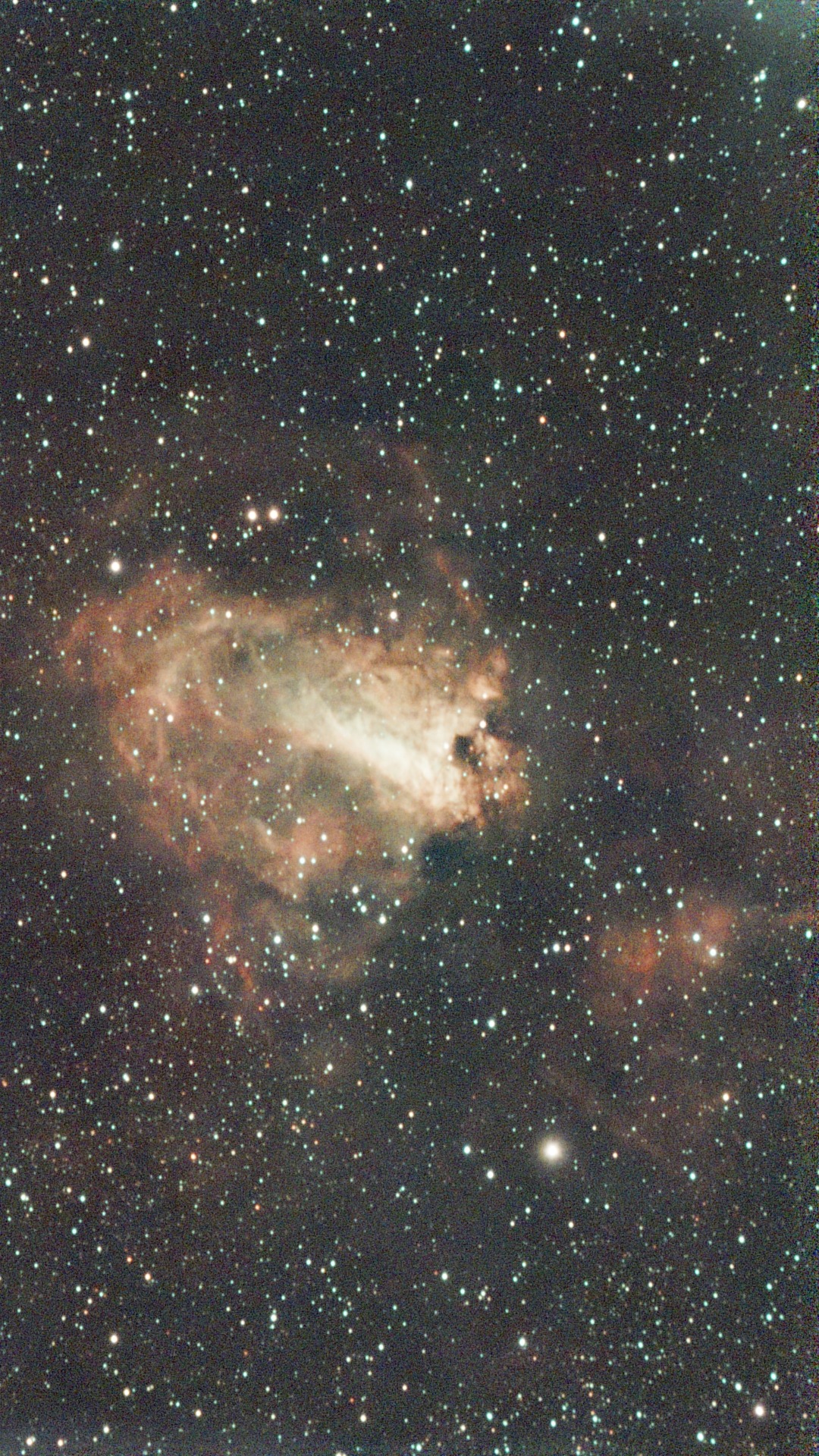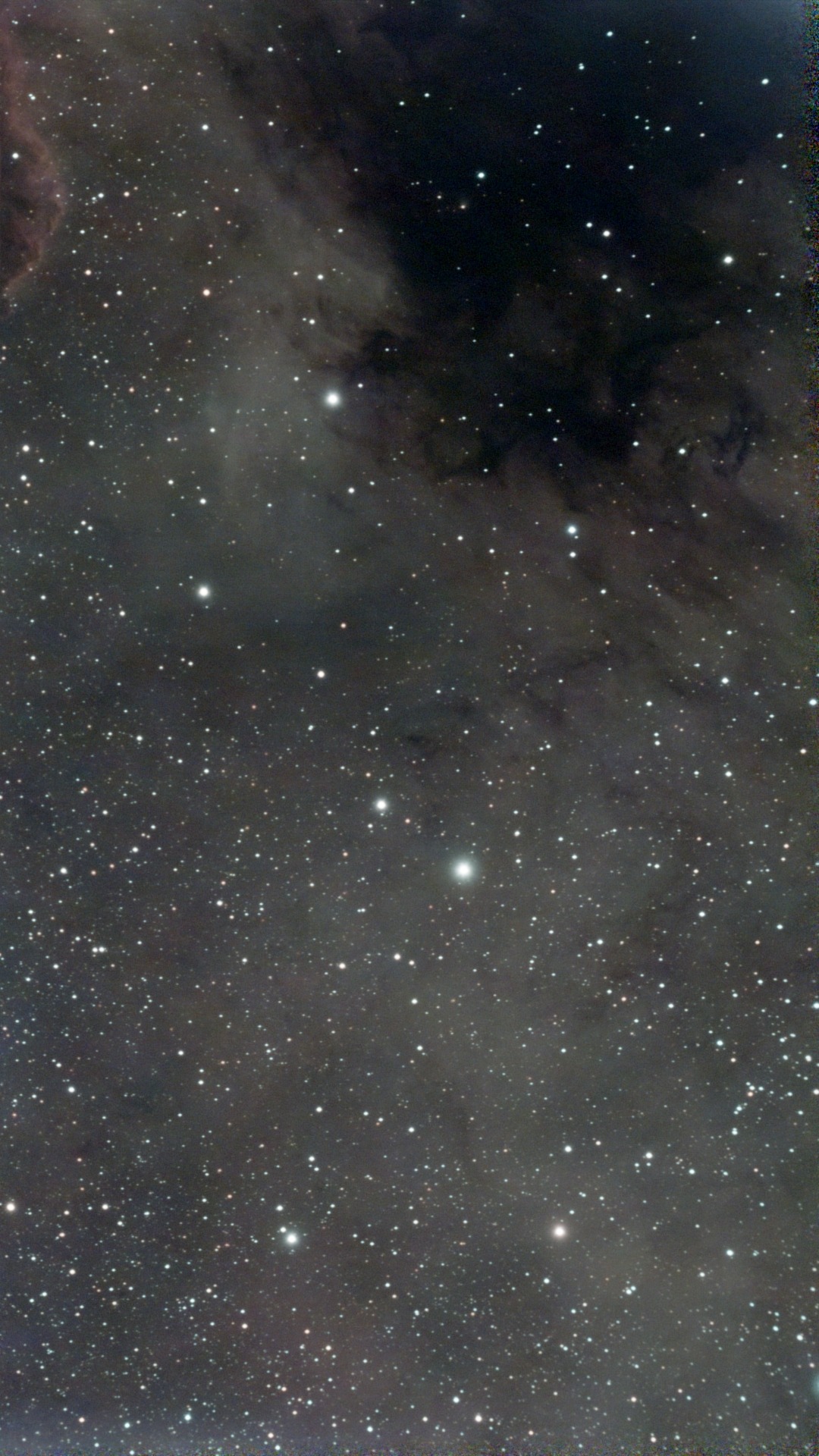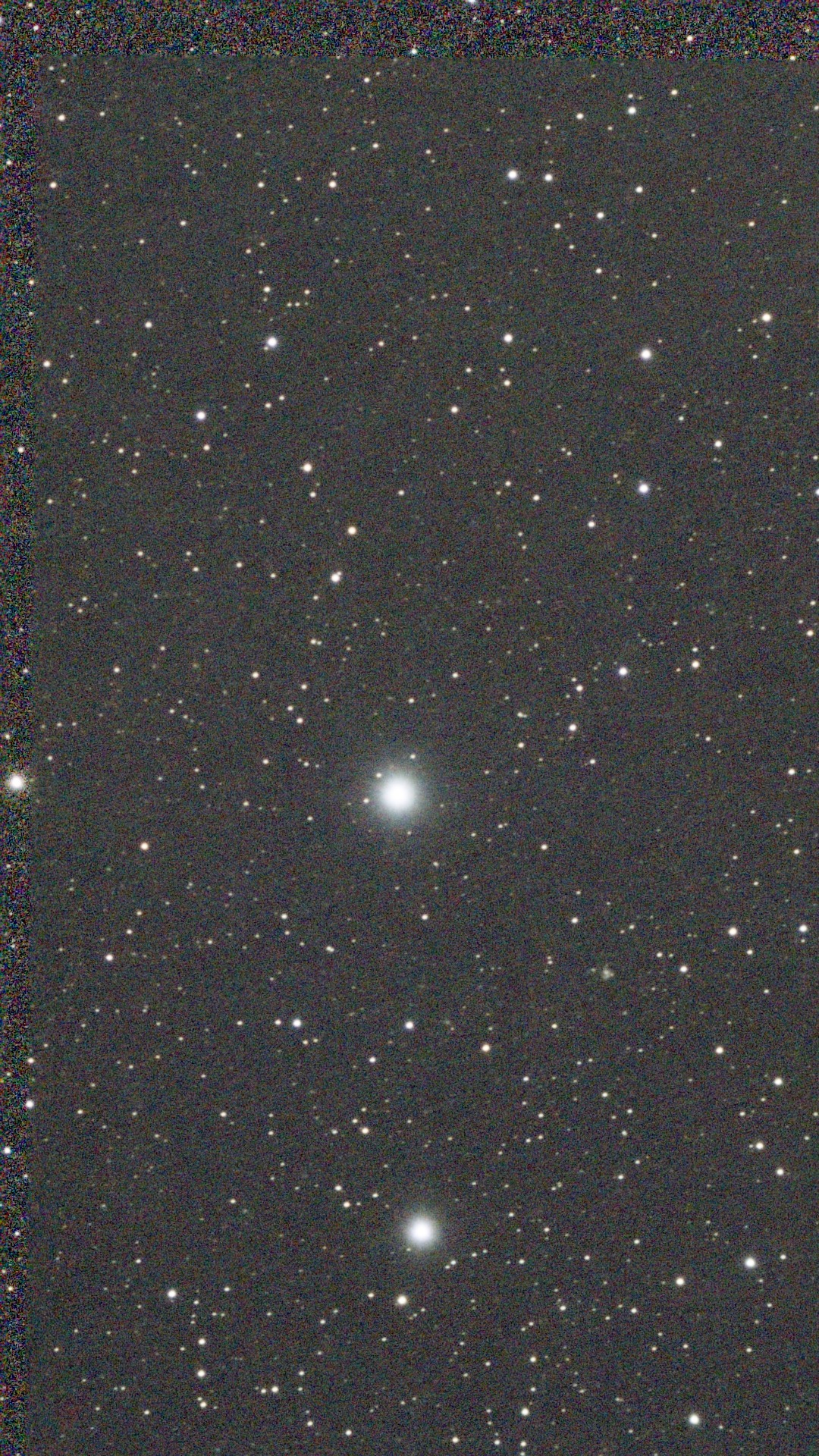
M078 (NGC2068)
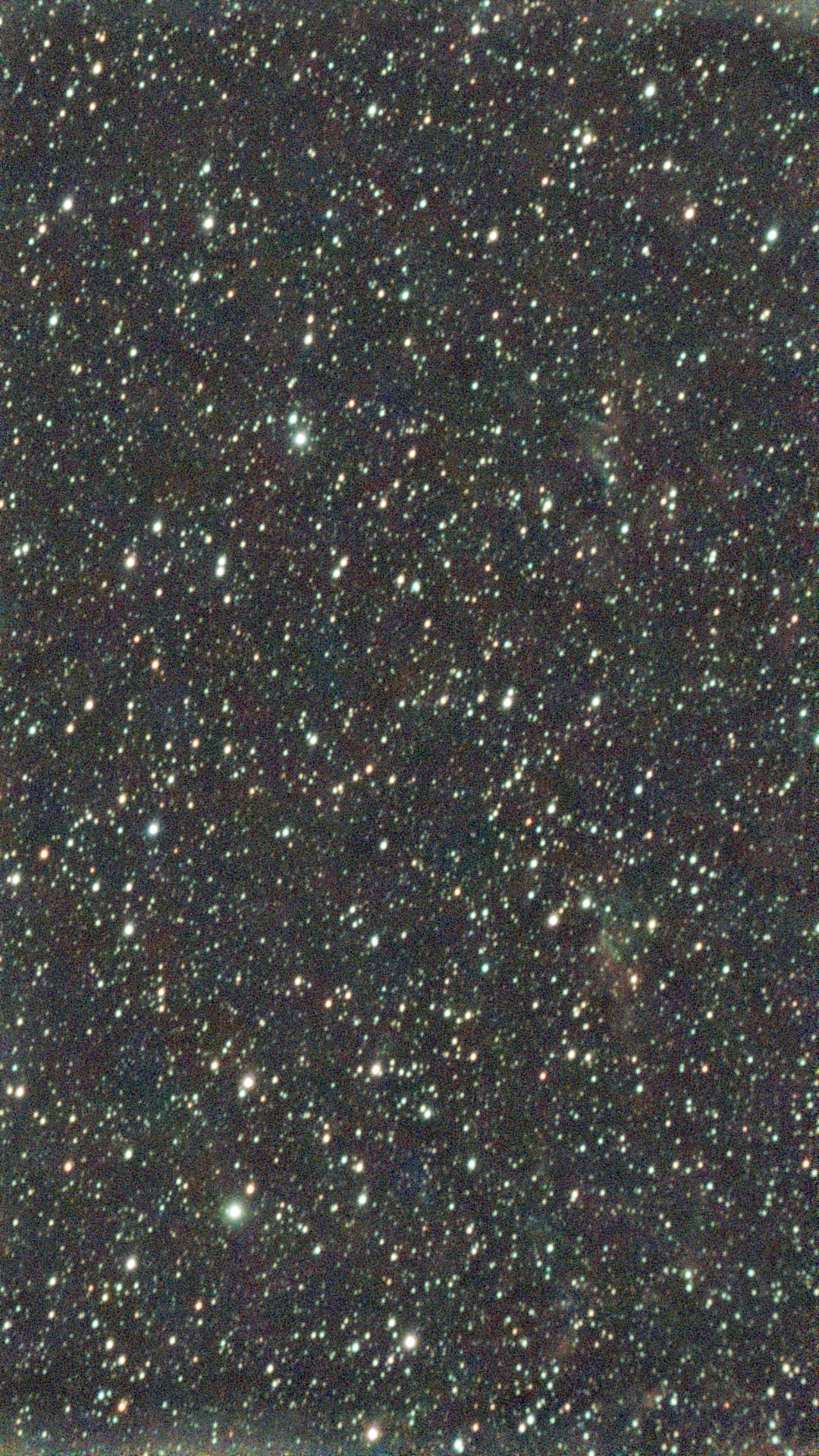
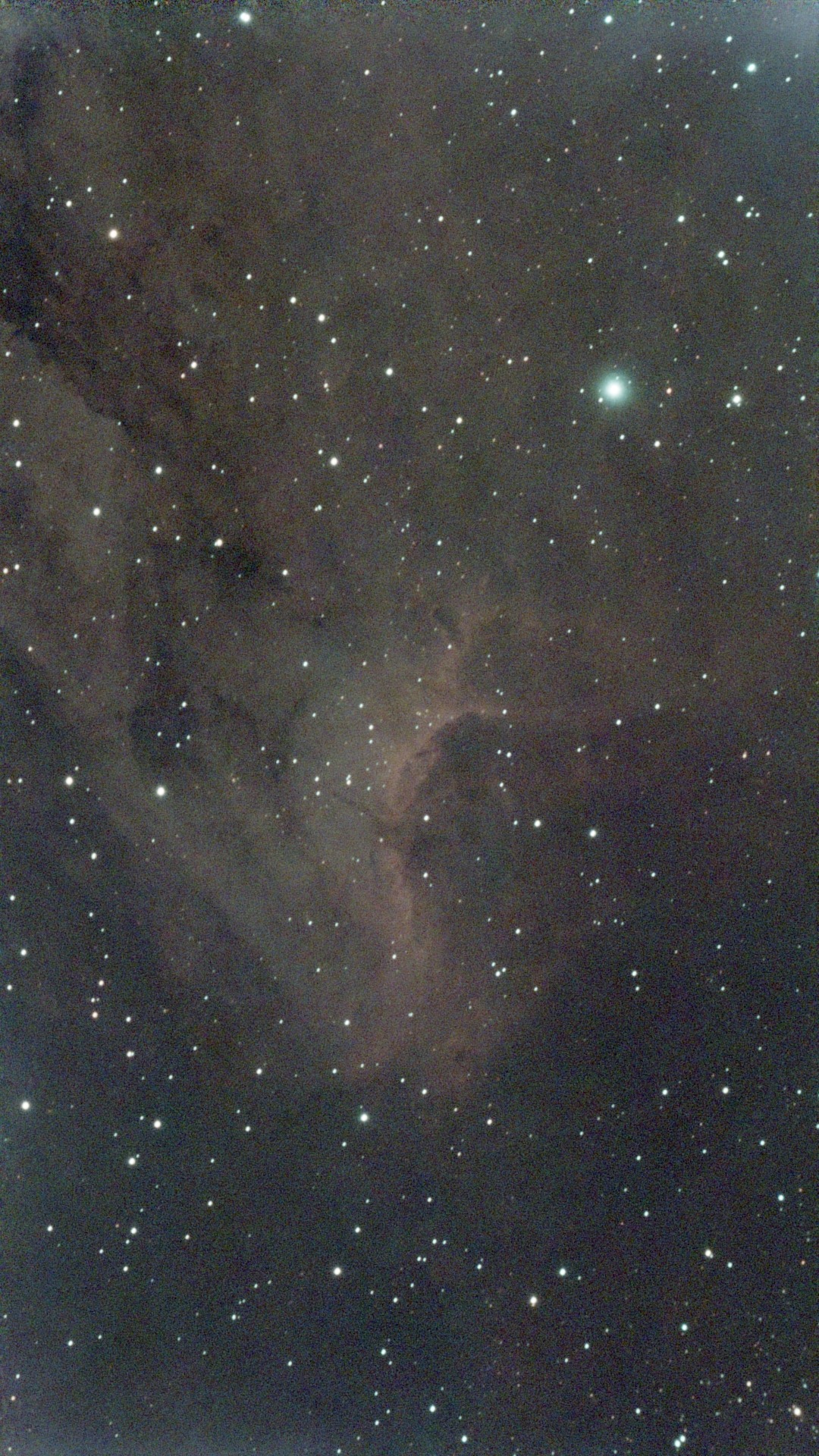
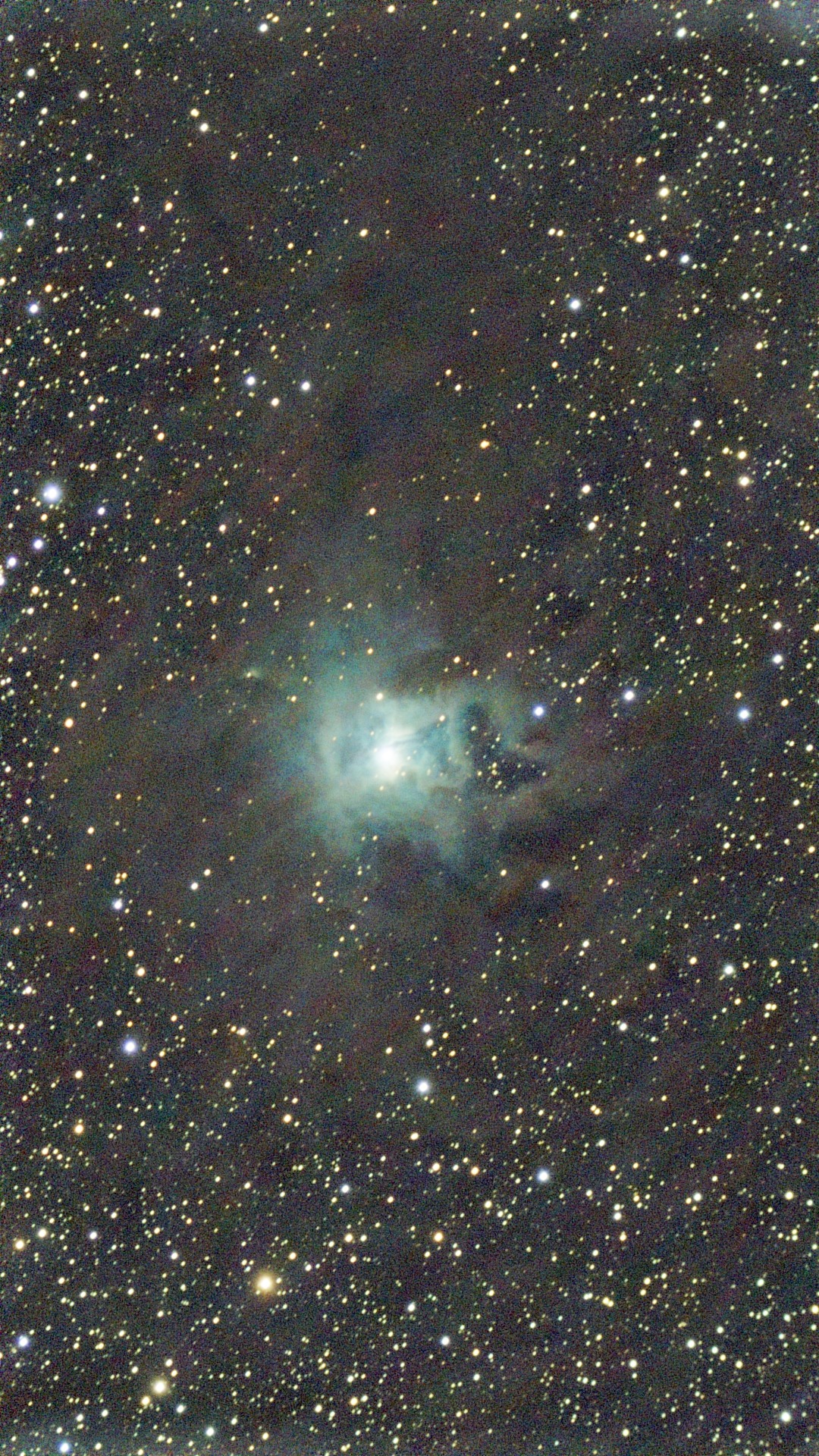
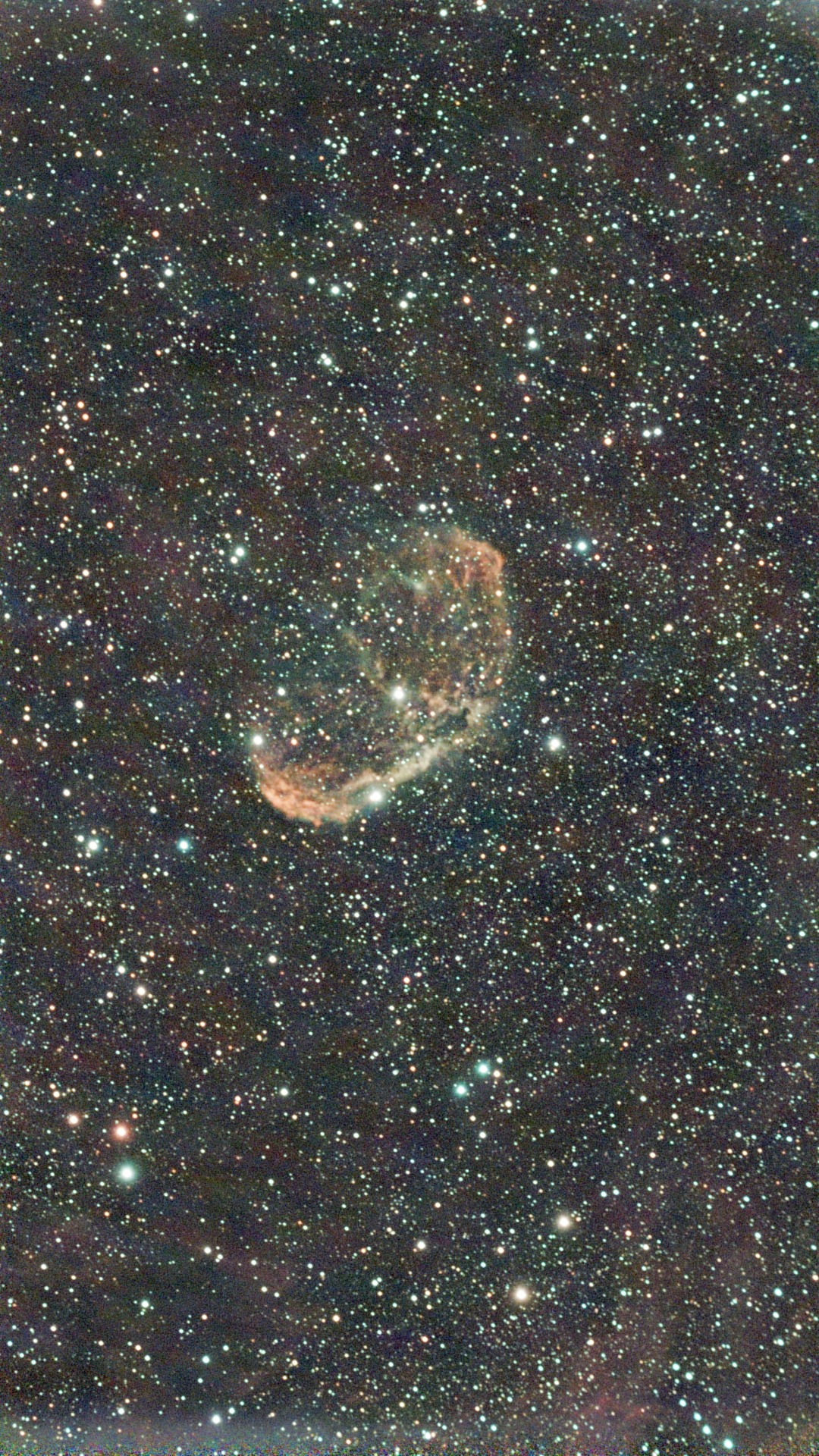
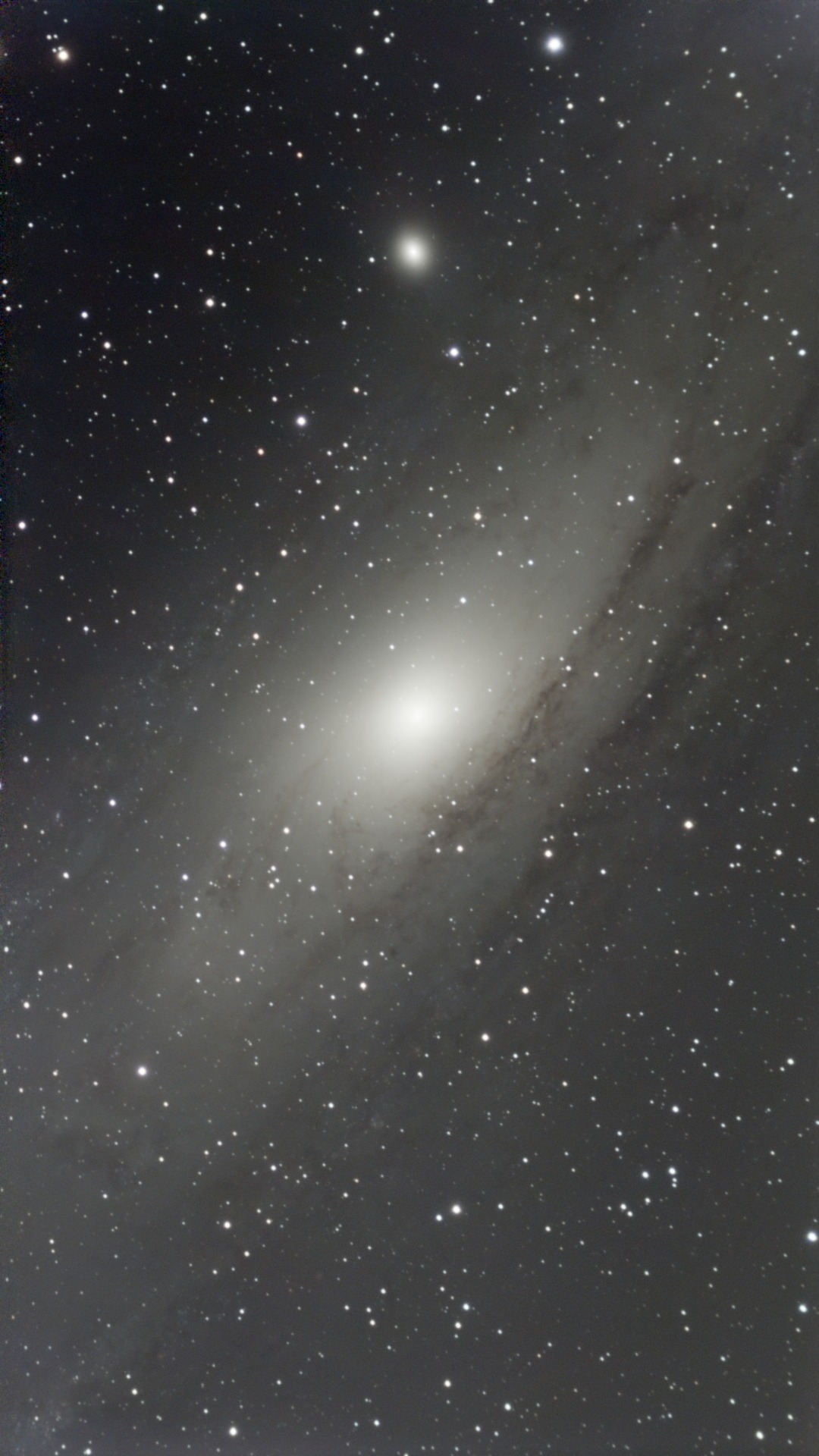
InvestigateDespite 7.8 hours of integration, the image shows only a star field with no visible nebulosity from M78/NGC 2068's reflection nebula, suggesting a mis-pointed target or a processing/stacking problem.
stargazer · backlog processing
Every target with a real checkpoint, run through stack + denoise, sorted by total integration time. Sub counts, hours, and last-sub date are read directly off the raw FITS filenames, not estimated. Click any thumbnail for the full-resolution stack. Regenerated automatically every day.
Despite 7.8 hours of integration, the image shows only a star field with no visible nebulosity from M78/NGC 2068's reflection nebula, suggesting a mis-pointed target or a processing/stacking problem.
This is a dense star field with no visible comet coma or tail anywhere in frame despite 5.1 hours of integration, suggesting a mis-pointed or non-stacked-on-comet result.
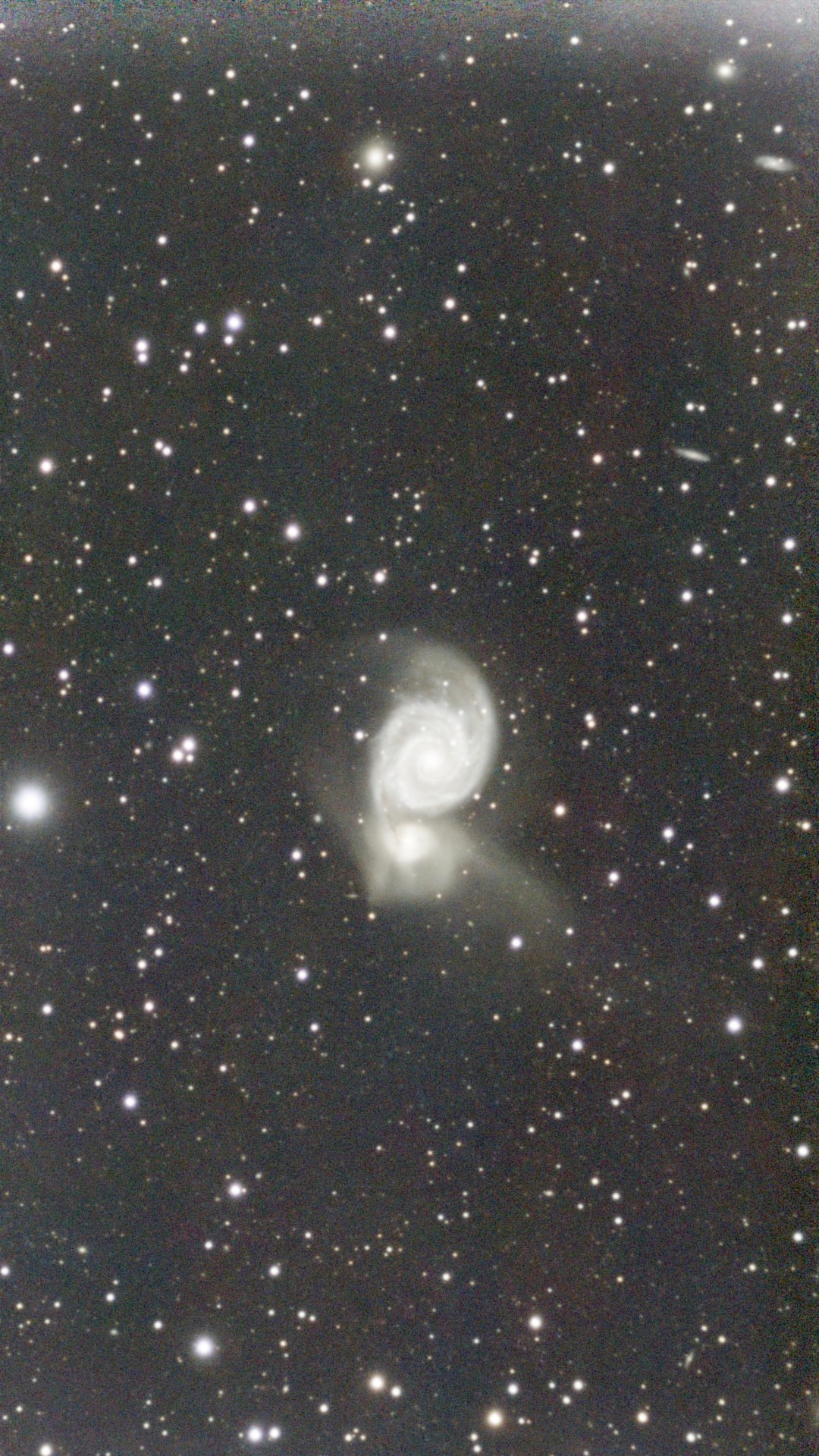
The spiral arms of M51 and its companion NGC 5195 with the connecting tidal bridge are both clearly resolved with good detail and low noise.
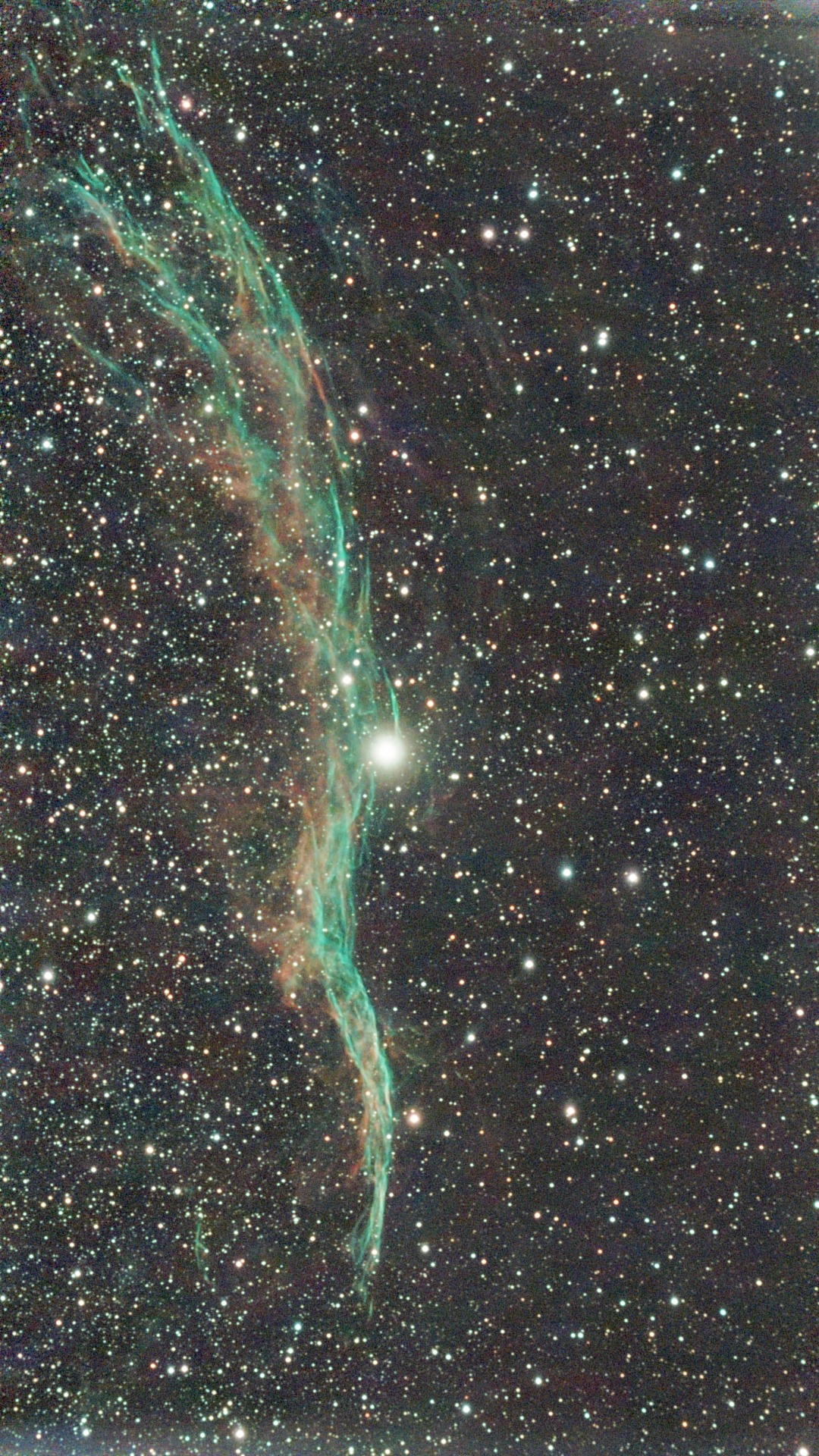
The Crescent Nebula's characteristic curved shell structure is clearly resolved with good color separation against a dense, well-controlled star field.
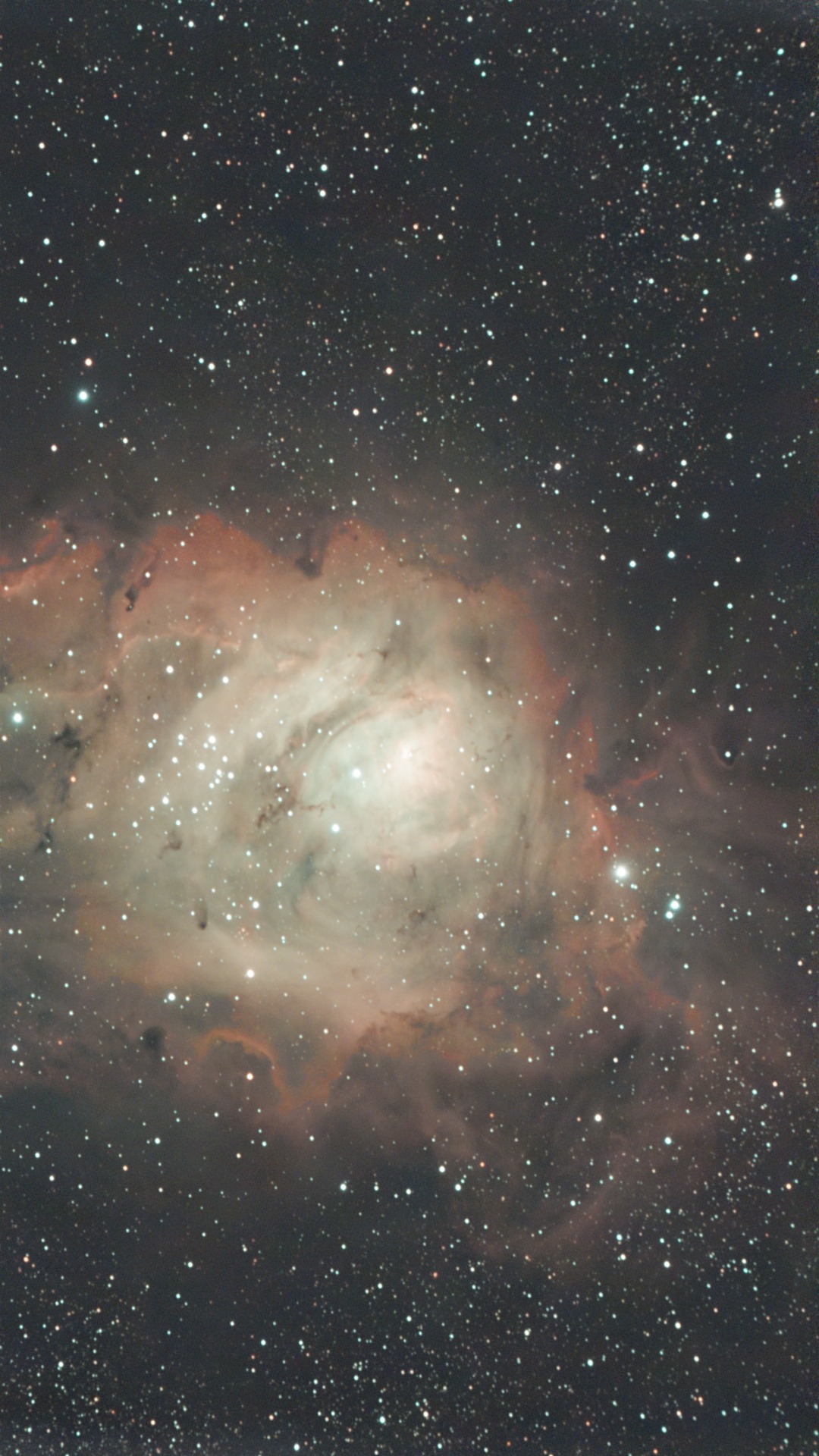
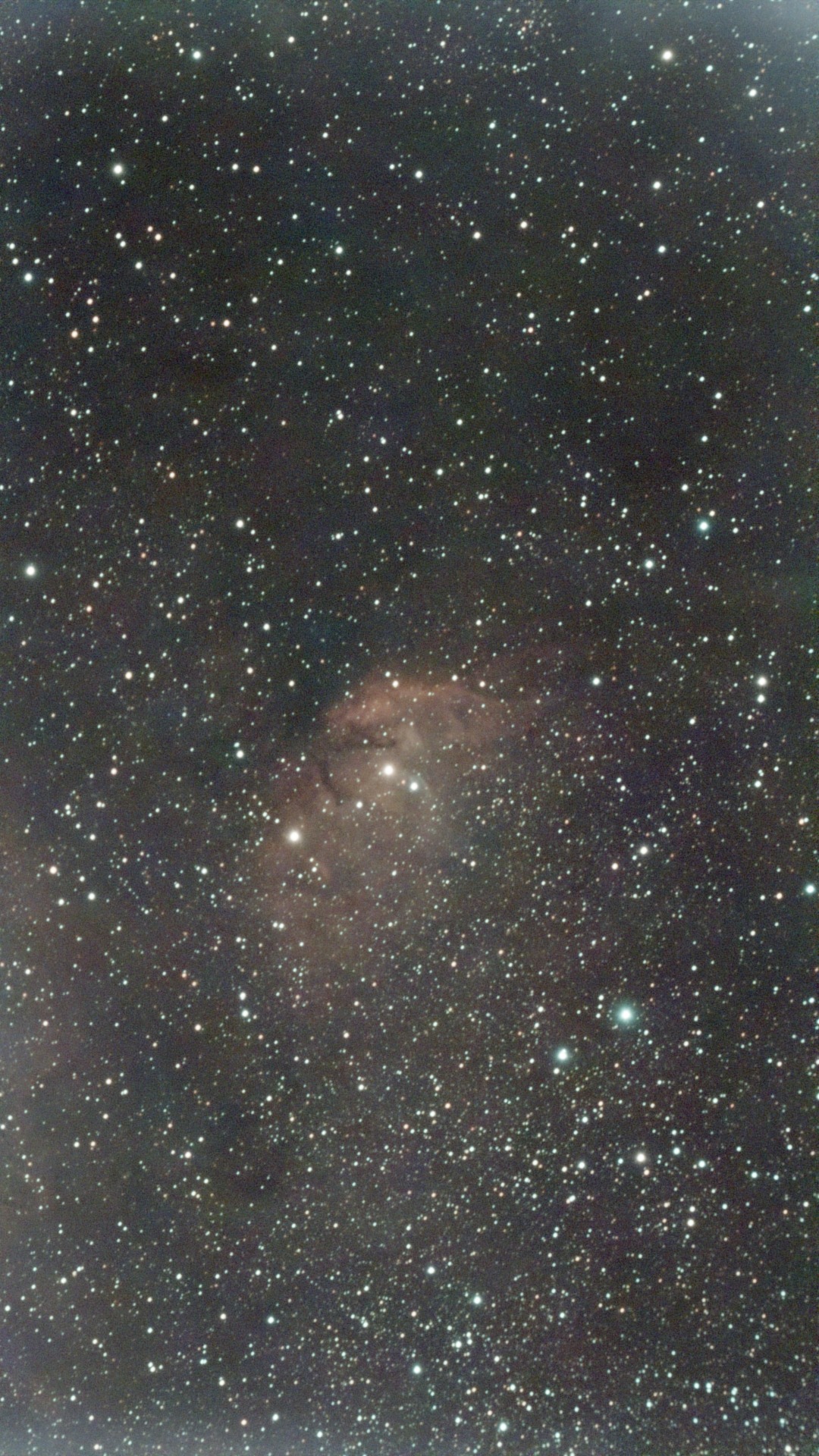
A soft reddish-brown nebulous patch with visible dark dust lanes is clearly present around the bright star cluster left-of-center, but it's faint/muddy compared to a well-defined keeper.
With 2.5 hours of integration there's plenty of dark nebulosity and dust lanes but none of NGC 7000's signature bright emission "coastline" is visible, suggesting mis-framing off the actual North America Nebula core.
The bright core, extended disk with visible dust lanes, and companion galaxy M110 are all clearly resolved.
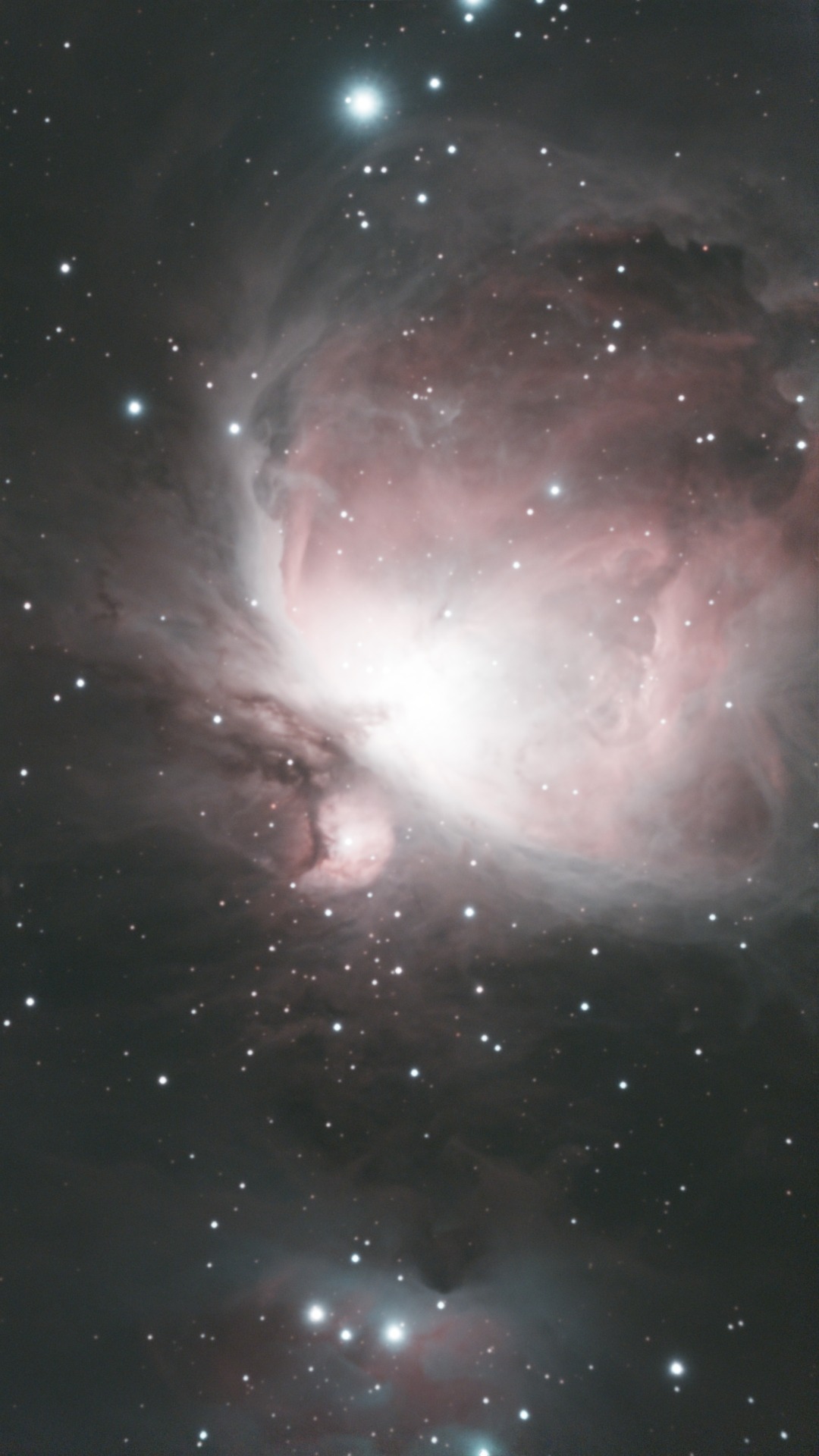
The full Orion Nebula structure is clearly resolved with visible wing detail, dust lanes, and the Trapezium region, plus the Running Man nebula at the bottom of the frame.
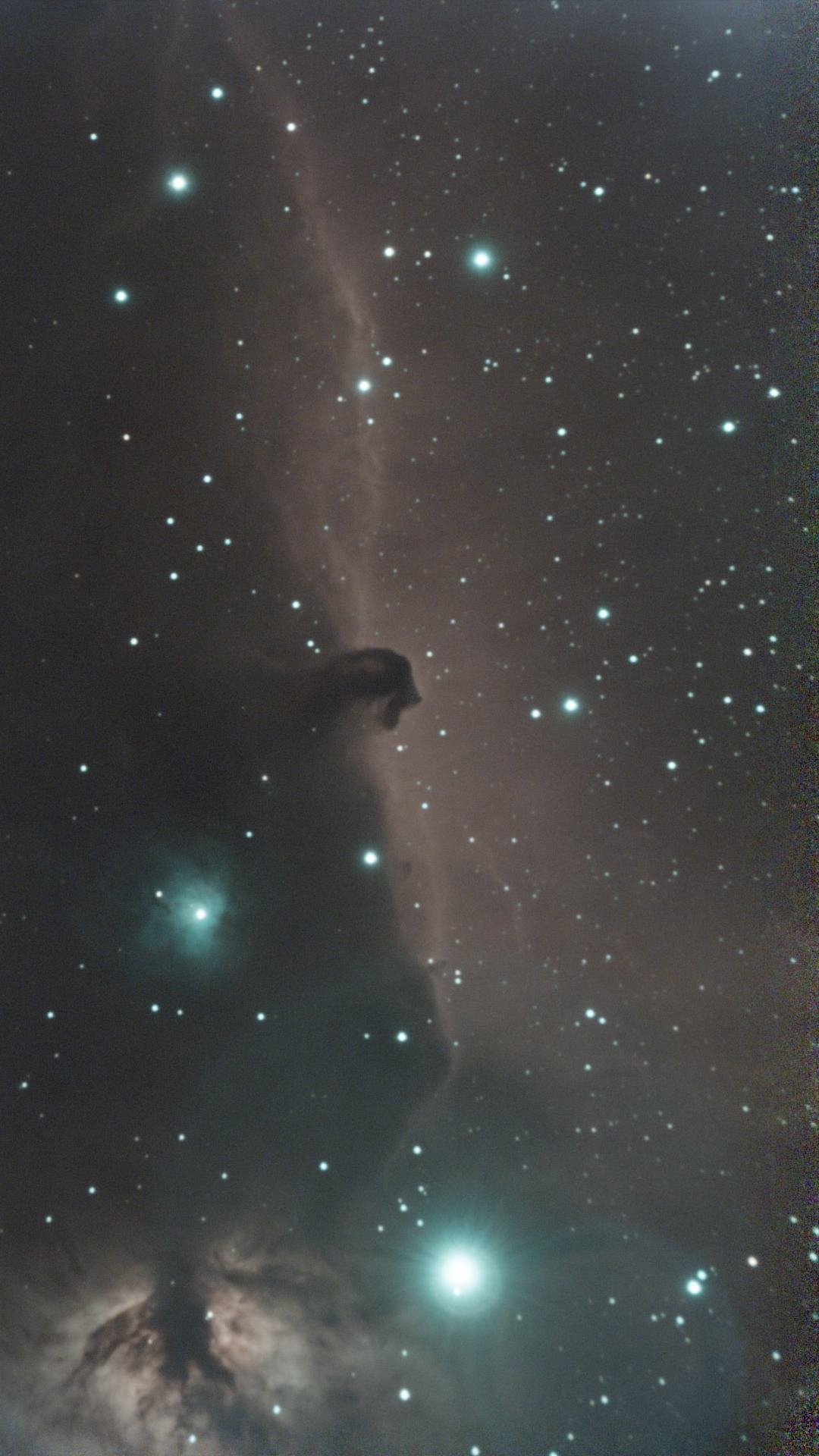
The Horsehead's dark silhouette and the surrounding IC434 reddish glow are both clearly and cleanly resolved with good contrast against the star field.
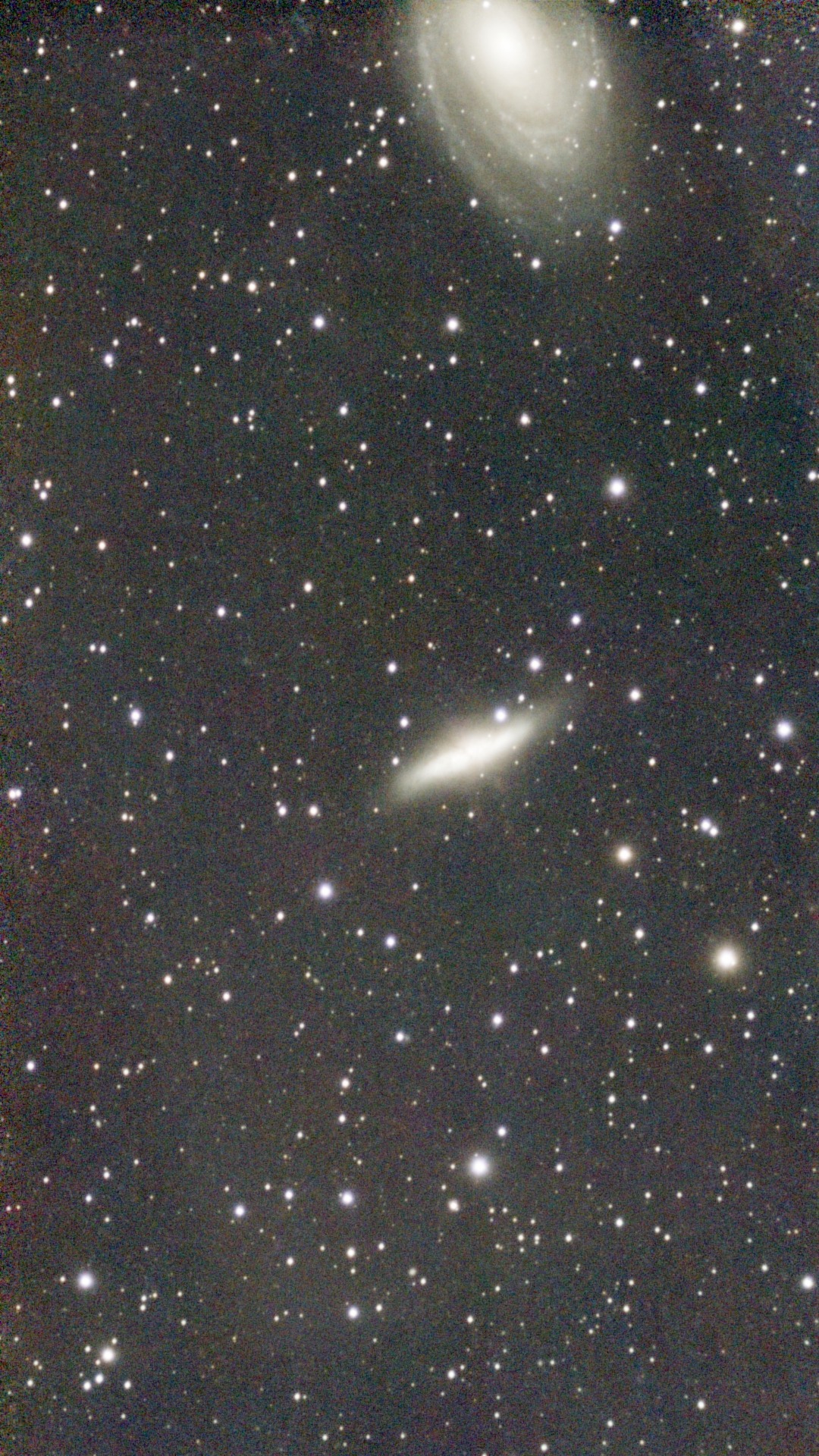
M82 (the edge-on cigar galaxy) is off-center and small in the lower-middle of the frame with no visible dust lanes or starburst detail, while M81 dominates the top of the frame instead, suggesting a framing/pointing issue for a target that should have been the primary subject.
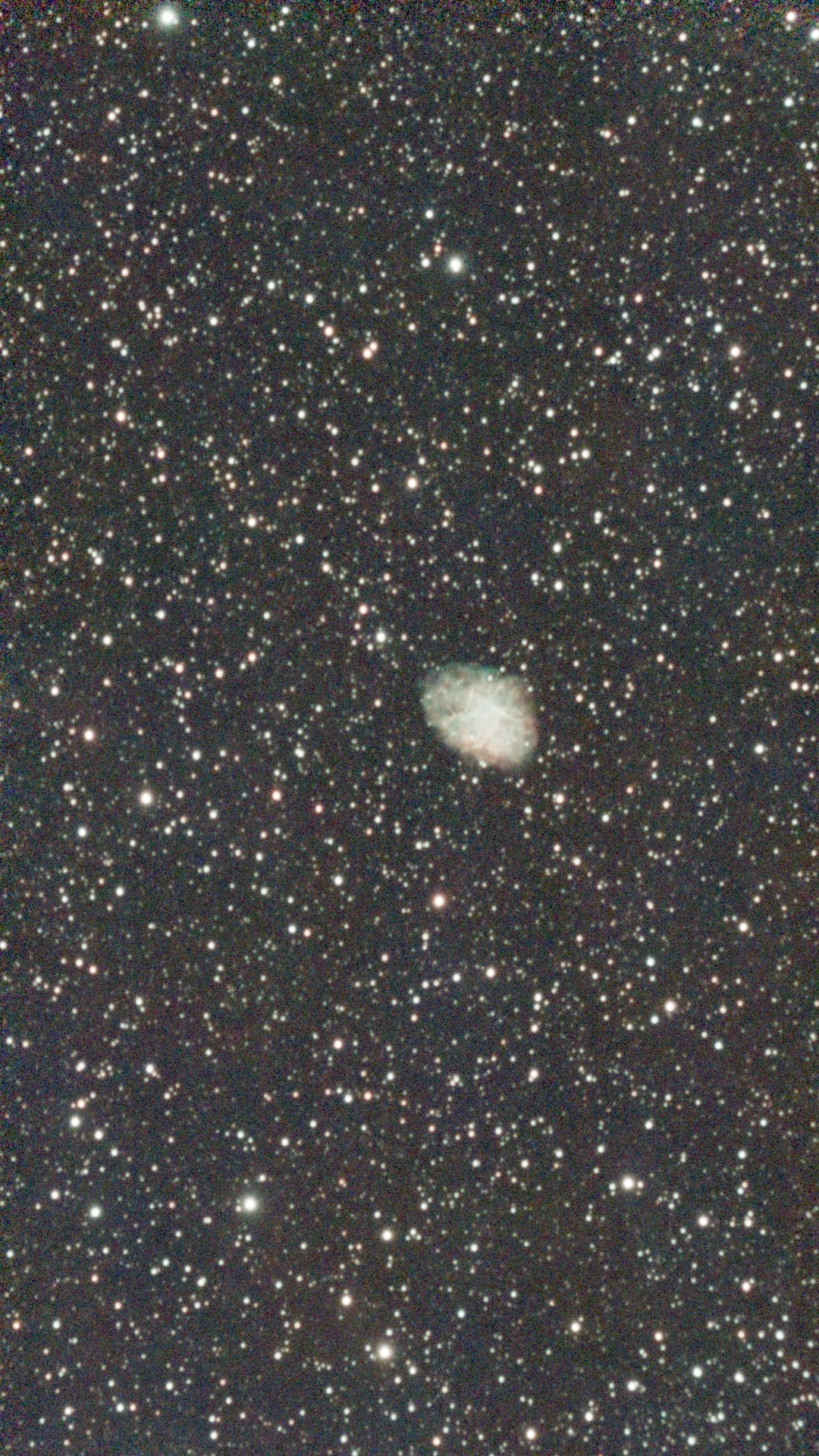
The Crab Nebula's distinctive elongated blob shape is clearly visible with some mottled internal texture, but at under an hour it's too thin to resolve the filamentary detail.
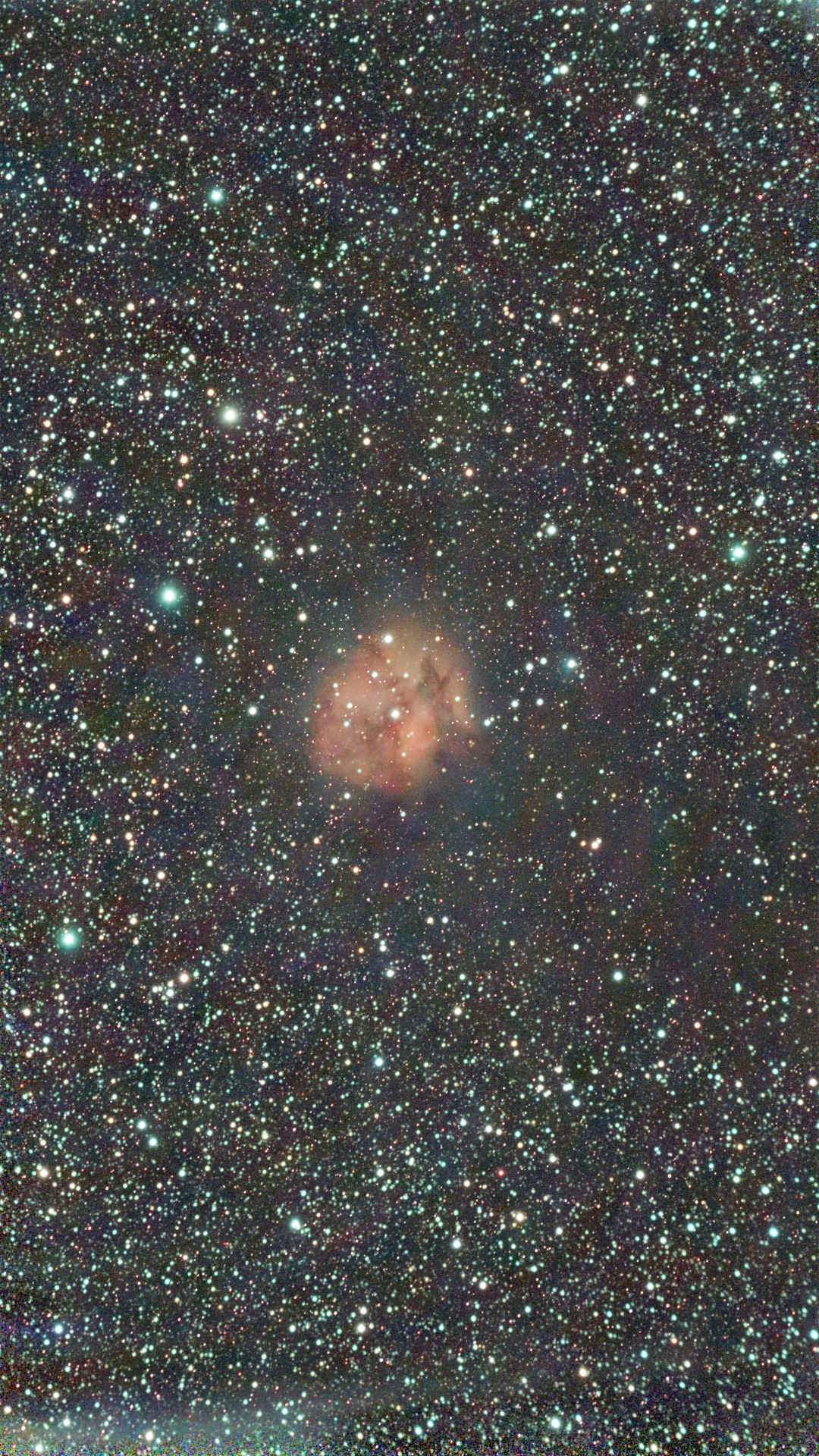
Faint but real dark-nebula lanes and reddish-brown dust structure are visible threading down through the frame despite only 0.8 hours of data.
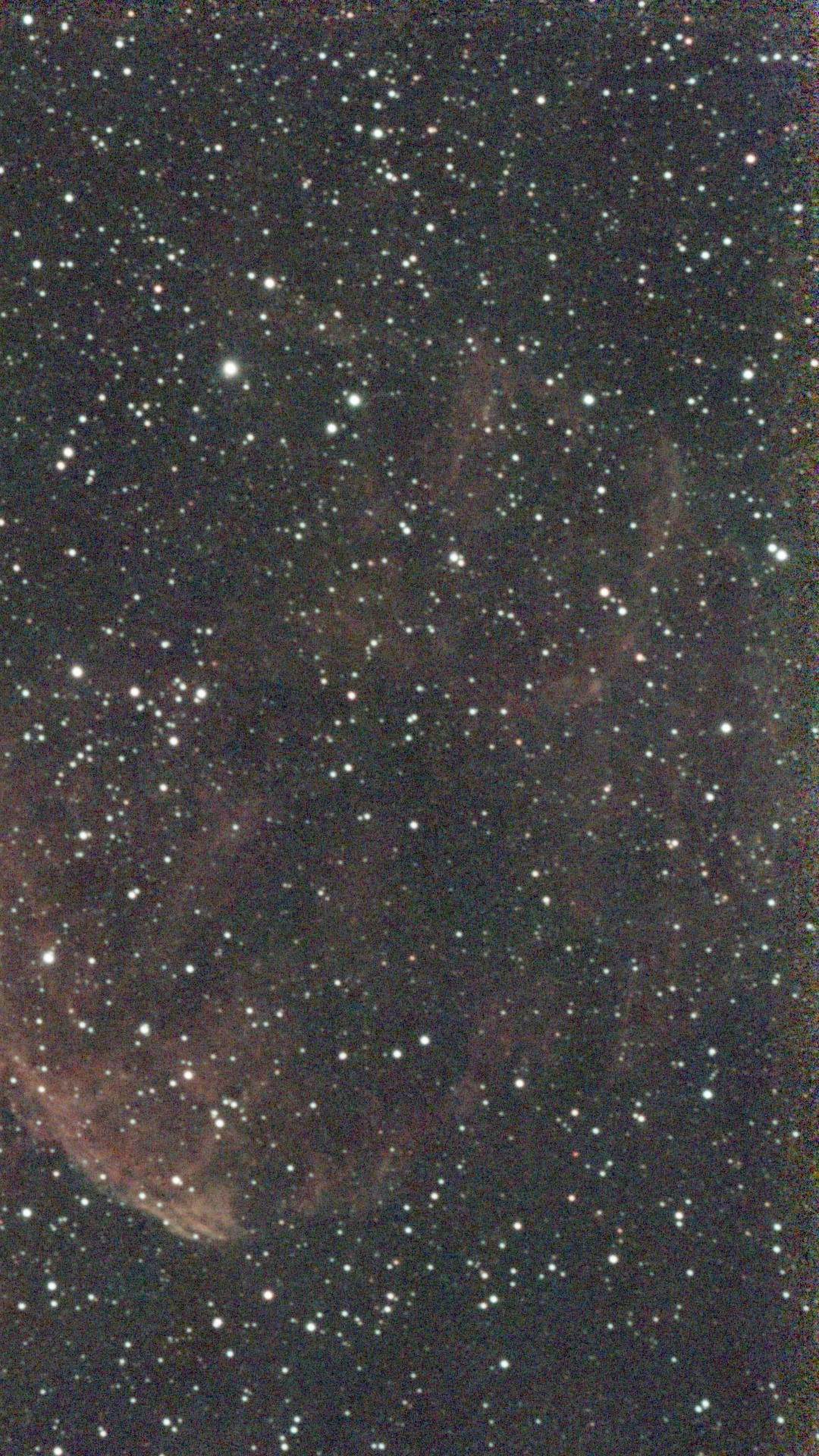
Faint reddish filamentary arcs of the supernova remnant are visible in the lower-left and upper-right, but at only 0.3 hours the signal is thin and noisy.
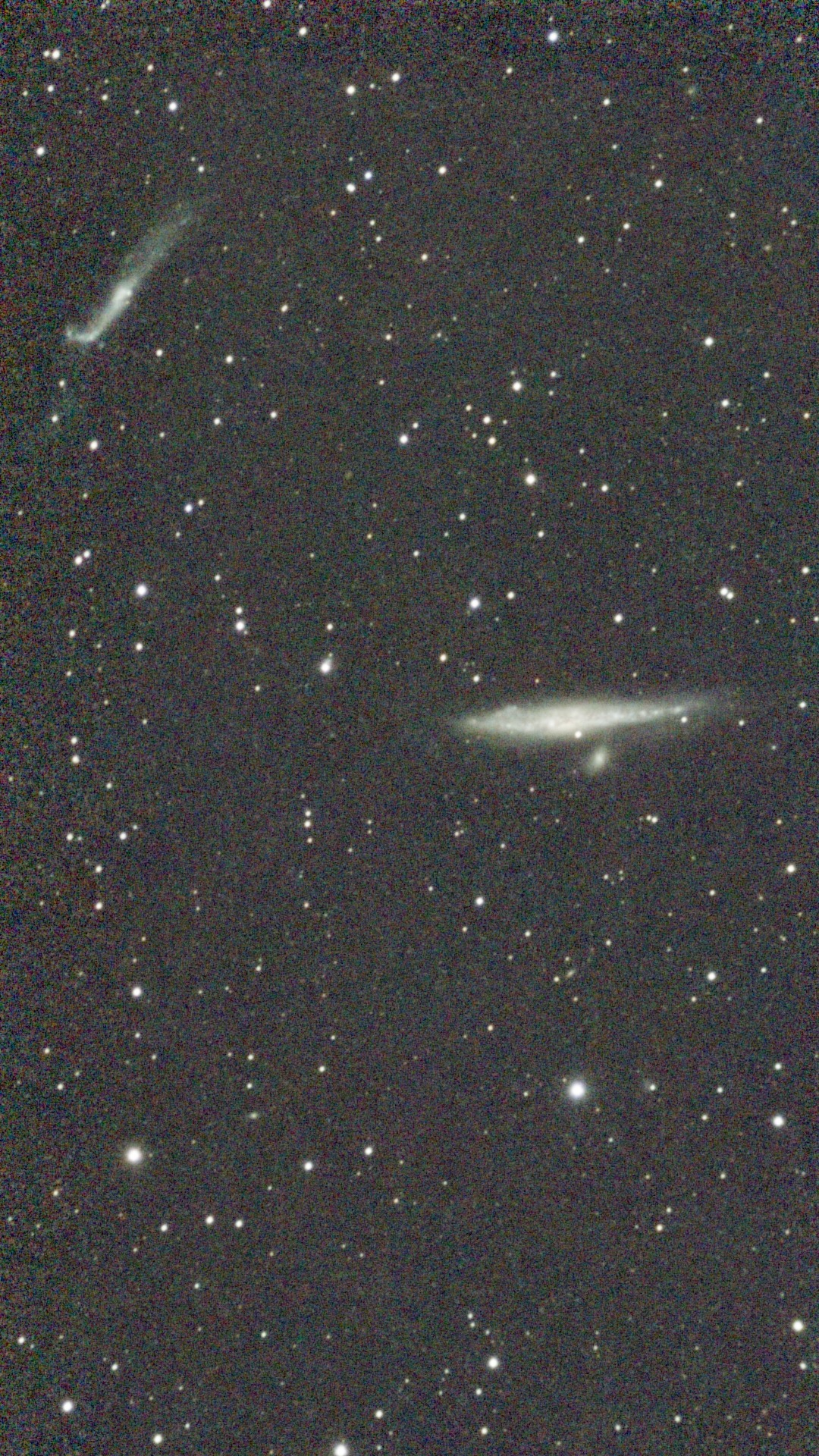
The edge-on spiral galaxy (with its faint companion) and the fainter streak of NGC 6210's neighbor are both visible with real elongated structure despite only 0.3 hours of integration.
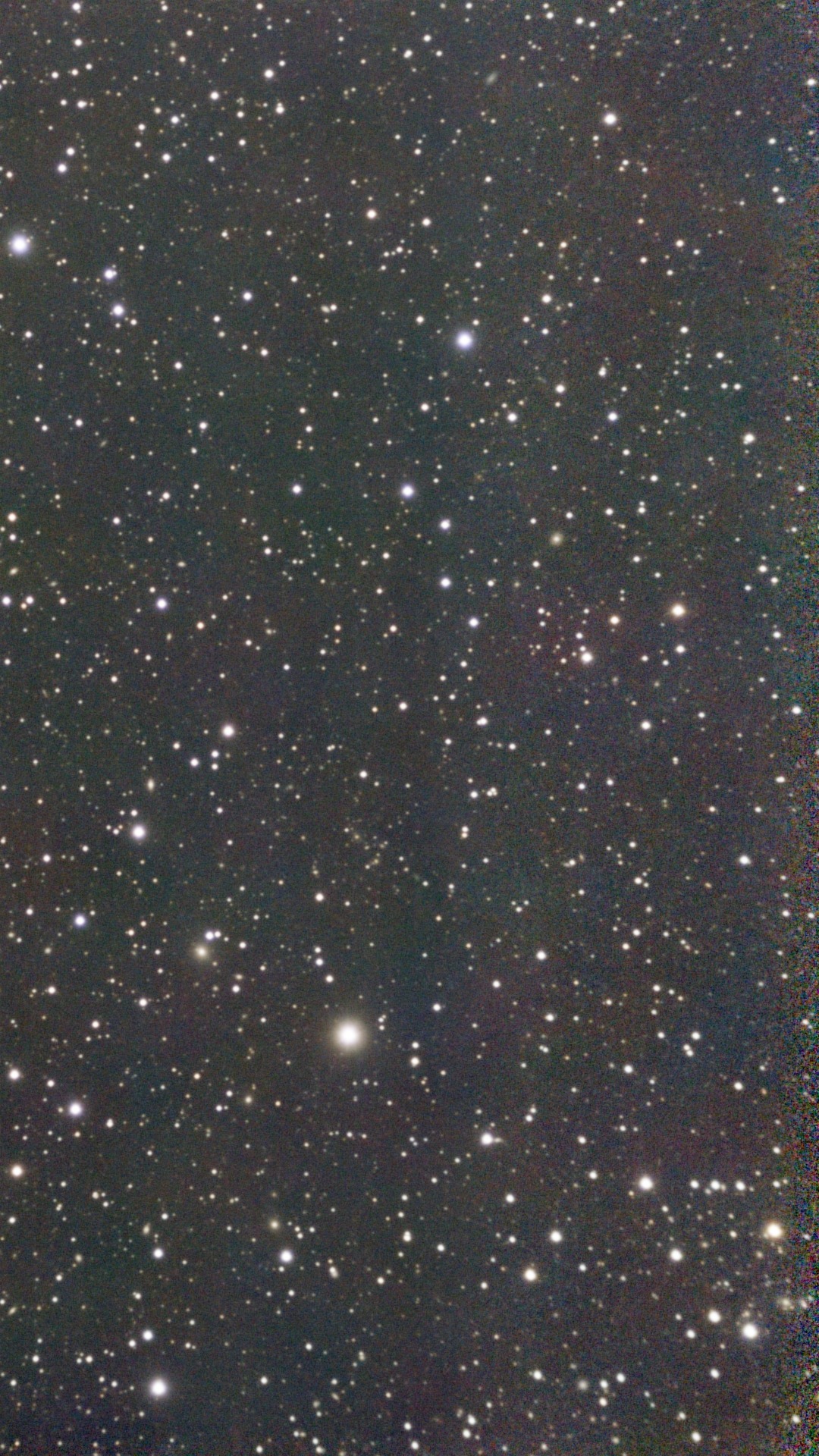
This is a dense, uniform star field with no sign of the Pleiades' bright cluster stars or blue reflection nebulosity, suggesting the frame is mis-pointed off M45.
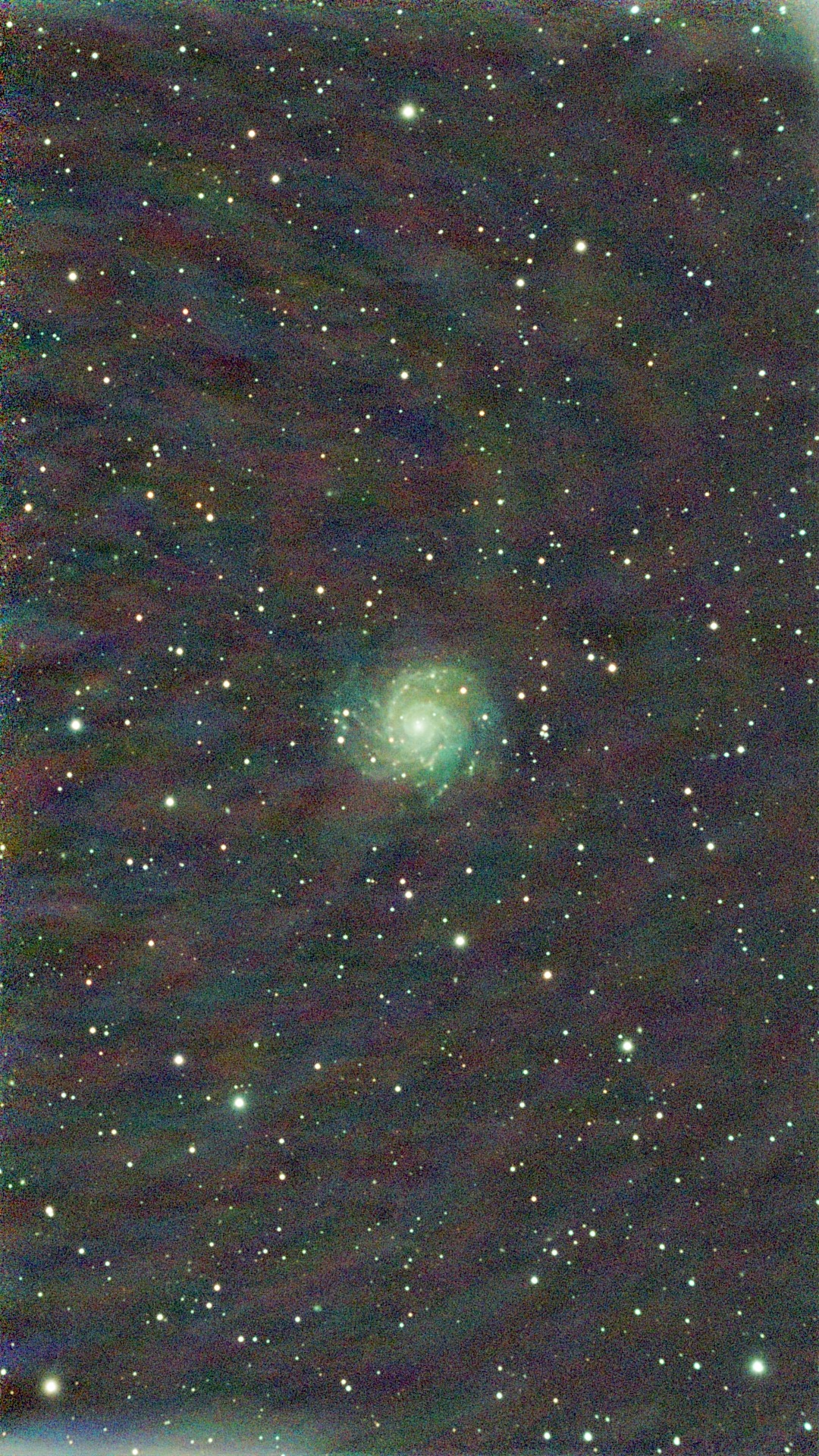
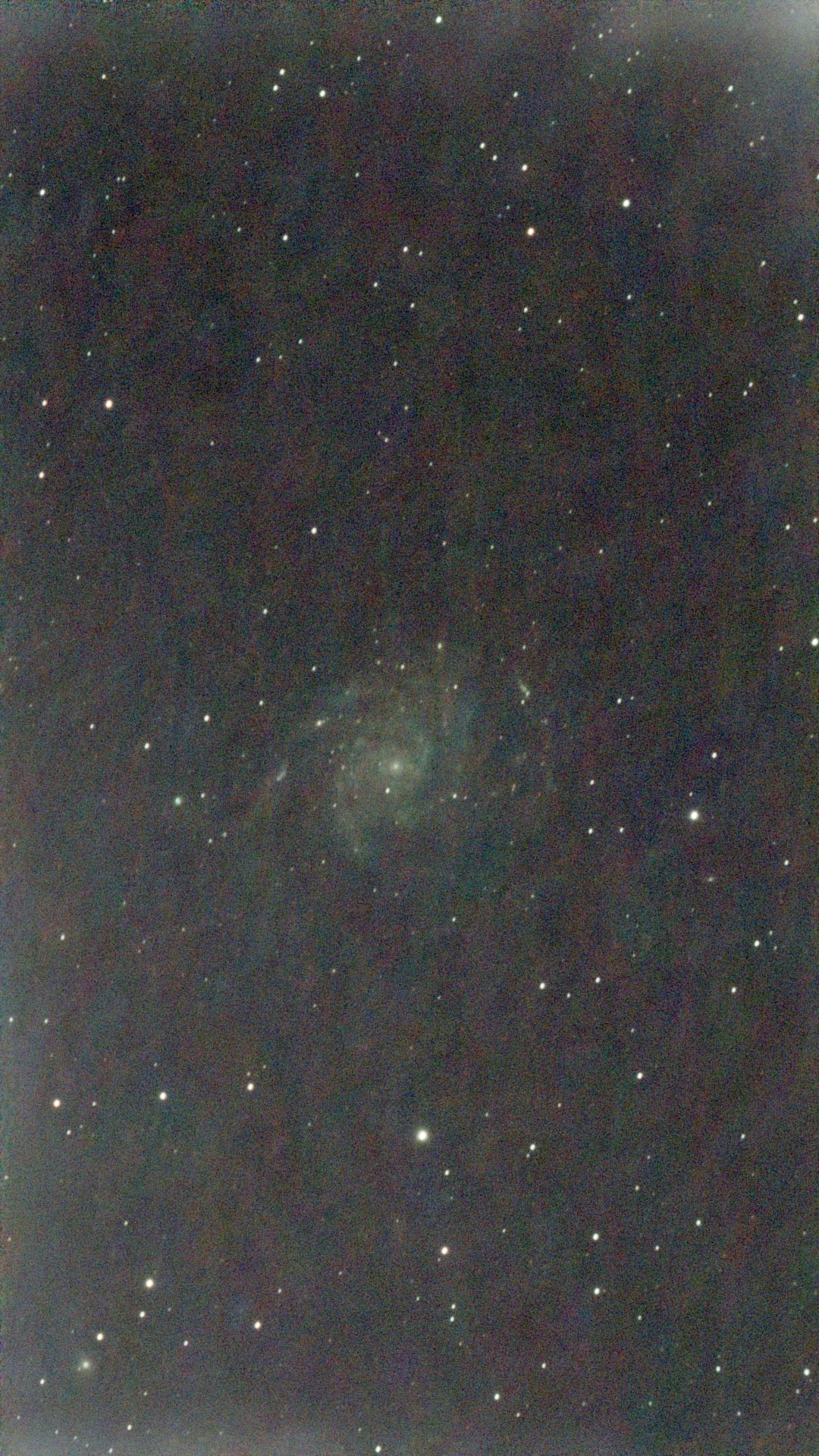
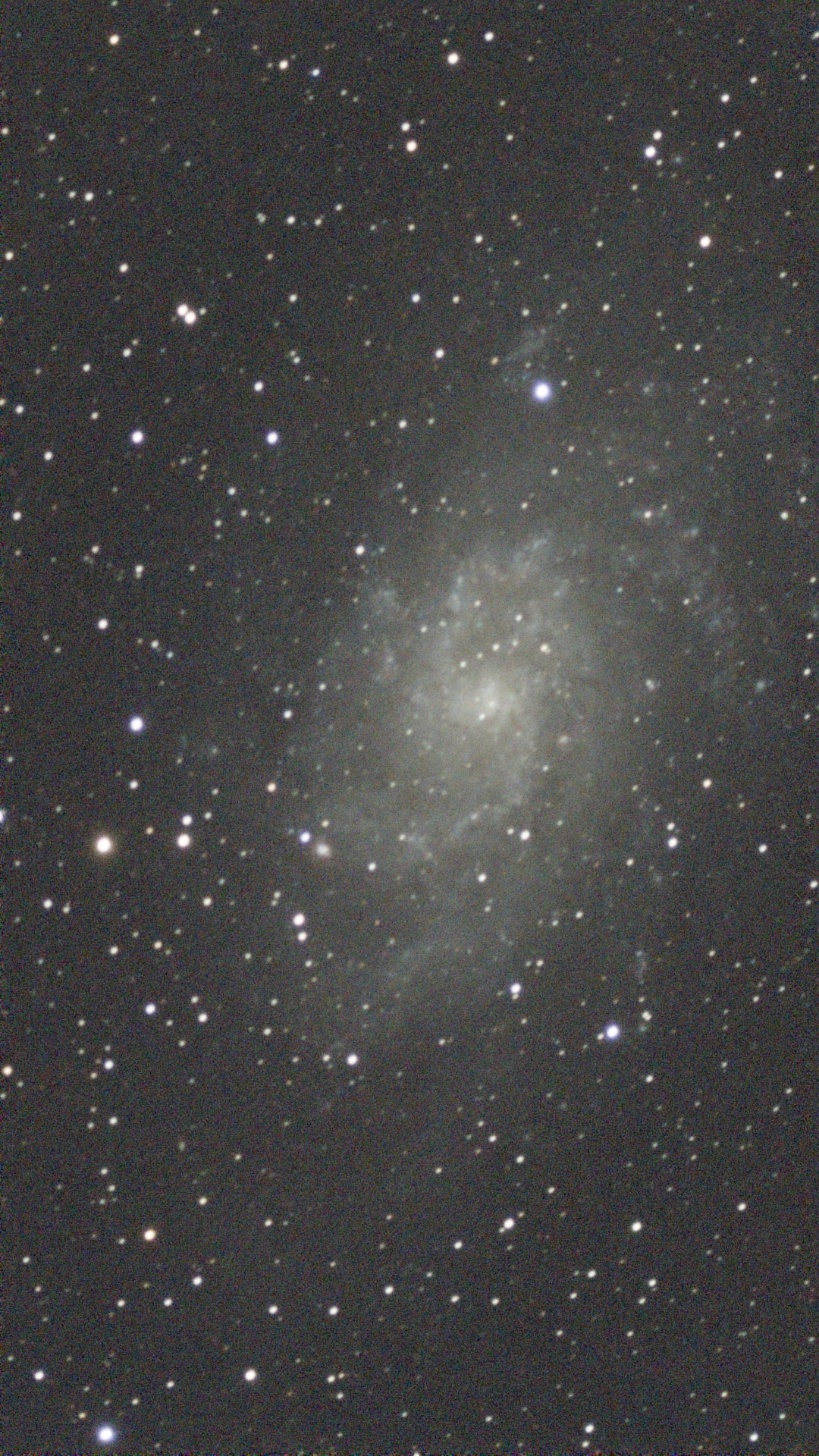
With only 6 subs the galaxy's spiral structure and mottled arm detail around the bright core are already visibly emerging above the noise.
With 1226 subs stacked this should show M101's bright spiral core, but the frame is just a scattered star field with no galaxy visible, suggesting a mis-pointed or mis-plate-solved target.